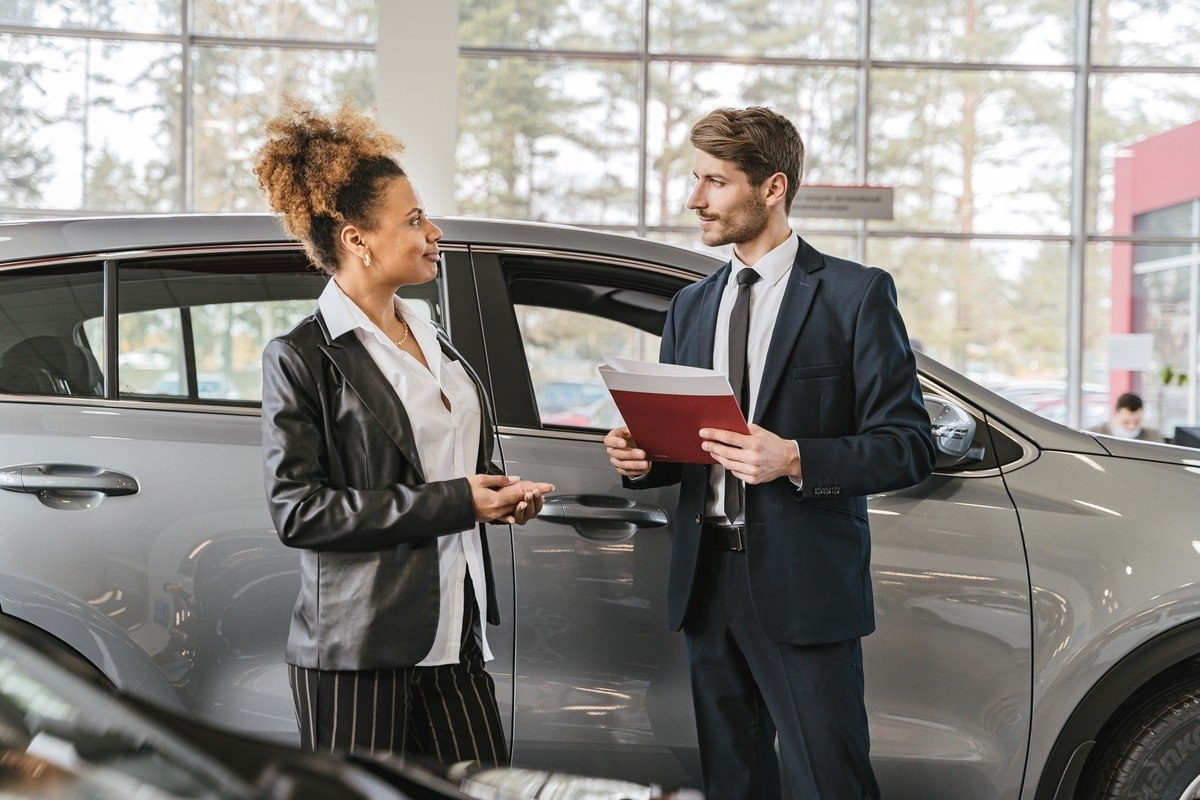
The car buying experience has evolved significantly over the years. With the rise of digital platforms, changing customer expectations, and increased competition, dealerships must adapt by refining their automotive sales training and customer engagement strategies. A well-structured sales process can improve conversion rates, enhance customer satisfaction, and ultimately drive revenue. In this blog, we will explore the essential steps to create a winning car sales process that caters to the modern car buyer.
1. Understanding the Modern Car Buyer
Today’s car buyers are more informed than ever. With access to online research, customer reviews, and price comparison tools, they enter the dealership with clear expectations. This shift requires dealerships to implement automotive training programs that focus on personalization, transparency, and a customer-first approach.
Key characteristics of modern buyers:
- They conduct extensive online research before visiting a dealership.
- They expect a seamless online-to-offline buying experience.
- They prioritize customer service, trust, and convenience.
- They prefer personalized interactions over generic sales pitches.
A successful car sales training program should equip sales representatives with the skills to meet these expectations effectively.
2. Step-by-Step Winning Car Sales Process
Step 1: Building a Strong Online Presence
Before a customer steps into a dealership, they have already engaged with your brand online. Optimizing your website, social media, and digital marketing efforts is essential to attracting and nurturing leads.
Key Strategies:
- Maintain an easy-to-navigate, mobile-friendly website.
- Offer transparent pricing and detailed vehicle descriptions.
- Provide virtual tours, video walkthroughs, and online financing options.
- Use chatbots and AI-powered tools to engage online visitors.
Step 2: Engaging and Qualifying Leads
Once potential buyers show interest, the next step is to qualify and understand their needs. This stage involves active listening, asking the right questions, and personalizing the experience.
Key Questions to Ask:
- What type of vehicle are you looking for?
- What features matter most to you?
- Are you considering financing or leasing?
- When do you plan to make a purchase?
A well-trained automotive sales training team knows how to guide customers through this process without being pushy.
Step 3: Providing a Personalized Consultation
Modern customers expect more than just a sales pitch; they want a trusted advisor who can guide them through the decision-making process.
Ways to enhance customer interactions:
- Offer test drives tailored to their driving habits.
- Use CRM tools to track customer preferences and previous interactions.
- Highlight vehicle features based on their specific needs.
- Address concerns with transparency, such as financing options or trade-in values.
Step 4: Delivering a Transparent Pricing and Financing Process
One of the biggest turn-offs for customers is hidden fees or unclear pricing structures. A successful car sales training program teaches sales teams to be upfront about pricing, financing, and additional costs.
Best Practices:
- Provide detailed cost breakdowns and financing options.
- Offer online and in-person credit application assistance.
- Educate customers on warranties, insurance, and trade-in values.
Step 5: Handling Objections Effectively
Objections are a natural part of the sales process. Whether it’s about price, features, or financing, a well-trained sales team can address concerns confidently.
Common Objections and How to Overcome Them:
- Price Concerns: Offer flexible financing options or explain the value behind the price.
- Vehicle Features: Provide alternative models that fit their needs.
- Trade-In Offers: Explain how trade-in values are calculated and offer comparisons.
Automotive training programs should include role-playing scenarios to help sales representatives master objection handling.
Step 6: Closing the Deal with Confidence
The closing stage is where all the previous efforts come together. By building trust, addressing concerns, and maintaining transparency, sales teams can secure customer commitments more effectively.
Closing Techniques:
- Offer limited-time incentives or exclusive deals.
- Recap key selling points and benefits of the purchase.
- Simplify paperwork and reduce unnecessary steps.
- Express appreciation for their business and provide post-sale support.
Step 7: Post-Sale Engagement & Follow-Up
The sales process doesn’t end with a sale—it extends into post-purchase customer care. Keeping in touch with customers enhances loyalty, encourages referrals, and boosts repeat business.
Effective Follow-Up Strategies:
- Send personalized thank-you messages.
- Offer service discounts for their first maintenance visit.
- Check in periodically to ensure satisfaction with their purchase.
- Encourage online reviews and referrals.