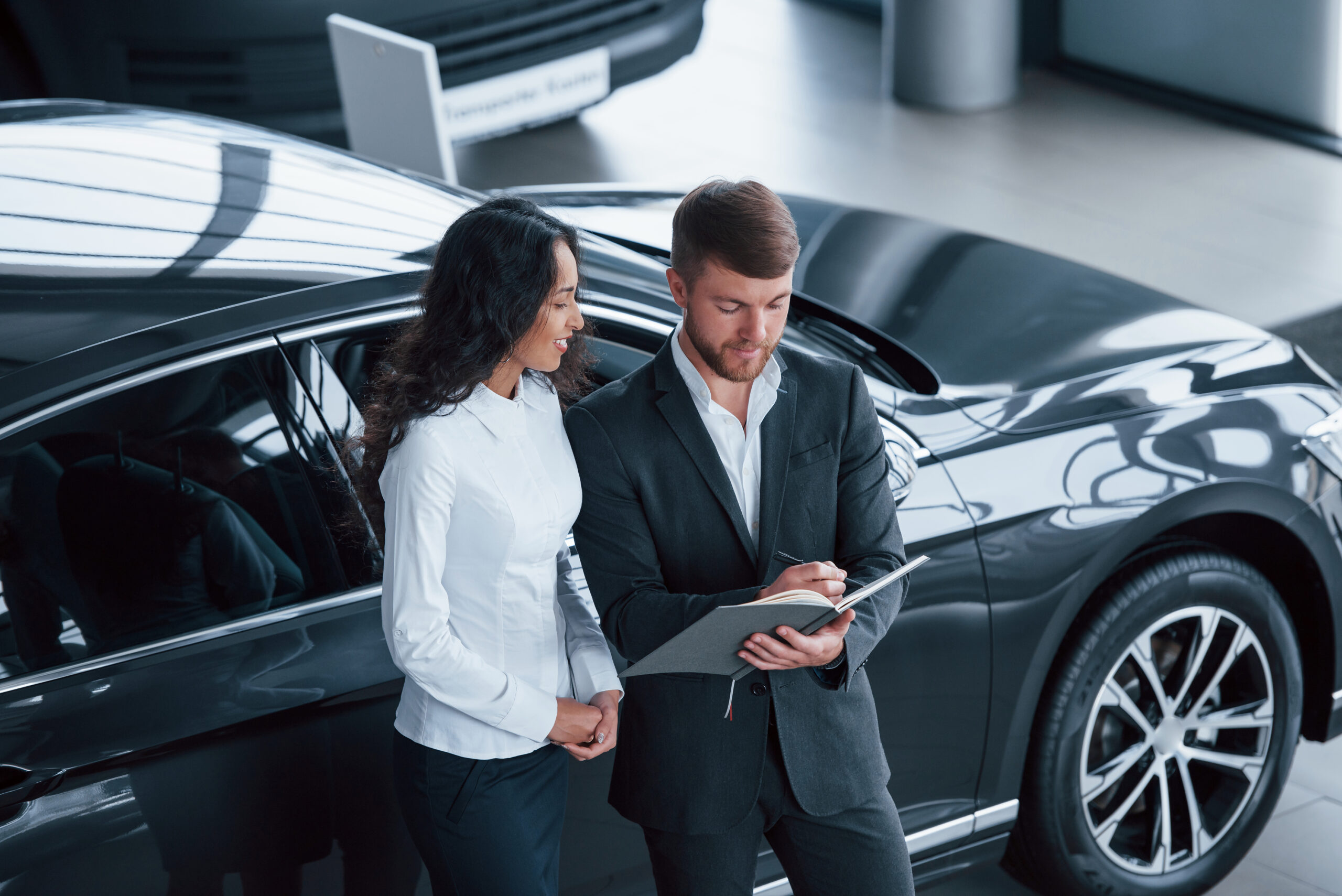
In the competitive world of car sales, the key to success often lies not in the initial conversation, but in what happens afterward—the follow-up. It’s a strategy that separates average salespeople from top performers. The follow-up process, when done right, can be a game-changer in boosting conversion rates, building lasting customer relationships, and ensuring repeat business. In this blog, we’ll explore the importance of follow-ups in car sales and share best practices to make them effective.
Why Follow-Ups Matter in Car Sales?
In the automotive industry, making a sale is rarely a one-time interaction. On average, it takes about five to seven contacts to close a deal. Customers are faced with numerous choices, and their decision-making process can be long and complex. A well-executed follow-up strategy helps keep you top-of-mind, shows your commitment to meeting customer needs, and establishes a foundation of trust.
Here are a few reasons why follow-ups are essential:
- Increases Conversion Rates: Studies show that 80% of sales require at least five follow-ups after the initial meeting. Many potential buyers need time to weigh options, compare prices, and consider financing. A consistent follow-up ensures you remain in the conversation and can guide them toward a decision.
- Builds Customer Trust: Following up after an initial inquiry or test drive shows the customer that you care about their needs. It’s a chance to address any concerns they might have, provide additional information, and demonstrate your expertise. Trust is a crucial factor in car sales, and follow-ups can build that credibility.
- Encourages Repeat Business: Satisfied customers who experienced attentive follow-ups are more likely to return for their next purchase or recommend your dealership to friends and family. The follow-up process can turn a one-time buyer into a loyal, repeat customer.
Best Practices for Effective Follow-Ups
While the follow-up process is crucial, not all follow-ups are created equal. To maximize your success, it’s important to use best practices tailored to the needs and expectations of your potential buyers.
1. Follow-Up Quickly
Speed is critical when it comes to follow-ups. Contacting the customer within 24 hours of their initial visit or inquiry shows enthusiasm and professionalism. Prompt responses can give you a competitive edge and capitalize on the customer’s interest while it’s still fresh.
Pro Tip: A quick follow-up email or text immediately after a showroom visit or test drive, thanking the customer for their time, can leave a positive impression and open the door for further communication.
2. Personalize Every Interaction
Generic follow-ups can feel impersonal and often go ignored. Tailor your communication to each customer based on your previous interactions. Mention the specific model they showed interest in, recall details from your conversation, or highlight features they valued during a test drive. Personalization shows that you are paying attention and that you genuinely care about their preferences.
Pro Tip: Use the customer’s name, and refer to the vehicle they looked at or the options they considered. This level of personalization can make your follow-up feel more like a continuation of your conversation rather than a cold sales pitch.
3. Use Multiple Channels
Customers have different communication preferences. Some might prefer emails, while others respond better to phone calls or text messages. Using a mix of channels—phone, email, text, or even social media—can help ensure you’re reaching the customer in the way that suits them best.
Pro Tip: Respect the customer’s communication preferences. If they prefer texts over calls, adjust your follow-up strategy accordingly. This consideration adds to a positive customer experience.
4. Provide Value in Every Follow-Up
A follow-up should do more than just remind the customer of your availability—it should offer value. Share information that’s relevant to their needs, like new incentives, financing options, or recent price changes on the vehicle they are interested in. Providing valuable information keeps the customer engaged and positions you as a knowledgeable resource.
Pro Tip: Attach links to video walkarounds, customer testimonials, or articles about the benefits of the vehicle they are interested in. This not only keeps them informed but also demonstrates your expertise.
5. Ask Open-Ended Questions
Follow-ups shouldn’t be a one-way street. Engage customers by asking open-ended questions that encourage them to share more about their needs, concerns, or reasons for hesitation. Questions like, “What did you like best about the car?” or “Is there anything that’s holding you back from making a decision?” can open a dialogue that helps you address any objections they may have.
Pro Tip: Avoid yes-or-no questions that lead to a dead end. Open-ended questions encourage meaningful conversations and keep the communication going.
6. Use Technology Wisely
Incorporating CRM (Customer Relationship Management) software can streamline your follow-up process. A CRM helps you track customer interactions, set reminders, and personalize your communication based on previous conversations. Automation tools can also assist in sending timely follow-up emails or texts, ensuring no opportunity falls through the cracks.
Pro Tip: Use CRM to schedule follow-ups, track customer preferences, and set notifications for future communication based on the customer’s purchase timeline or expressed interests.
7. Know When to Persist and When to Pause
Persistence is key in sales, but it’s important to know when to give space. Not every customer is ready to buy immediately, and excessive follow-ups can feel pushy. Gauge the customer’s level of interest, and if they need more time, schedule a follow-up at a later date instead of frequent, back-to-back contacts.
Pro Tip: A polite message like, “I’ll touch base with you in a week to see if you have any additional questions,” can give the customer space while leaving the door open for future communication.
Overcoming Common Follow-Up Challenges
Effective follow-ups come with their own set of challenges, such as timing, frequency, and content. Here are some quick tips to navigate common obstacles:
- Timing: Aim to follow up within 24-48 hours after an interaction, and maintain a rhythm that doesn’t overwhelm the customer.
- Frequency: Spread out your follow-ups—don’t flood the customer with too many messages in a short period. A few well-timed follow-ups are often more effective than frequent contact.
- Content: Keep your follow-up content clear, concise, and relevant. Avoid overwhelming the customer with too much information at once. Instead, focus on addressing specific needs or concerns.
Conclusion
In car sales, follow-ups are not just a part of the process—they are the process. Mastering the art of effective follow-ups can significantly boost your sales, foster long-term relationships, and elevate your reputation in the industry. By acting promptly, personalizing communication, providing value, and respecting the customer’s timeline, you can turn potential leads into satisfied buyers.
Remember, the sale doesn’t end when the customer leaves the dealership—it begins.